

Netanyahu Wants To Attack Iran Again, Will Lobby Trump In Mar-a-Lago Visit
Regional stability hinges on credible deterrence and strategic partnerships with key allies.
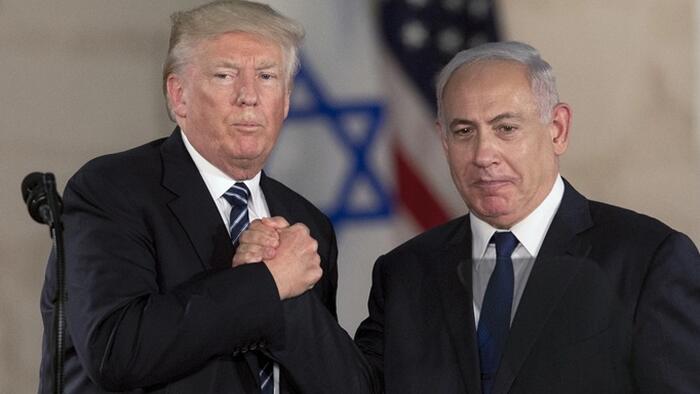
Netanyahu Wants To Attack Iran Again, Will Lobby Trump In Mar-a-Lago Visit Many analysts agree that the last round of fighting between Israel and Iran last June was not the final conflict the two regional powers will face.Despite President Trump having declared that the Islamic Republic's nuclear program had been completely obliterated in the US knock-out strikes against three nuclear facilities which came at the end of the 12-day war, Israel suspects the Iranians are still conducting nuclear development activity in secret, and are busy reconstituting and expanding their ballistic missile arsenal.Israeli Prime Minister Benjamin Netanyahu is due to visit the United States yet again, from December 28 to January 4, and will meet with President Trump at the Mar-a-Lago estate.
Read the original story:
ZerohedgeHow We See It
New Republican Times Editorial Board
The recent coverage around Netanyahu's potential lobbying for military action against Iran often leans heavily on a sensationalized narrative, framing it as yet another instance of aggressive foreign policy. However, this perspective overlooks the urgent need for national security and the complexities inherent in dealing with Iranian ambitions. The reality is that Iran poses a significant threat not just to Israel but to global stability, and dismissing such concerns can compromise the safety of our allies and our national interests.
While mainstream narratives may paint such military actions as reckless, they ignore the principle of collective defense that has long guided U.S. foreign policy. An unwavering stance on preventing a nuclear-armed Iran is not merely hawkish rhetoric—it's about maintaining order in a volatile region and demonstrating to adversaries that aggressive expansionism will not be tolerated. Public sentiment against "new wars" is valid, but it's crucial to differentiate between unnecessary conflict and proactive measures to curb a serious threat.
As the situation evolves, a focused approach based on rule of law and institutional stability remains critical. The stakes are high, and discussions should not be framed solely through a lens of isolationism or pessimism. A strategic response to Iran's military developments will ultimately rest on whether we prioritize our longstanding commitments to our allies and the principles of deterrence in ensuring peace and security.
Commentary written with AI assistance by the New Republican Times Editorial Board.